Why Customer Education Matters

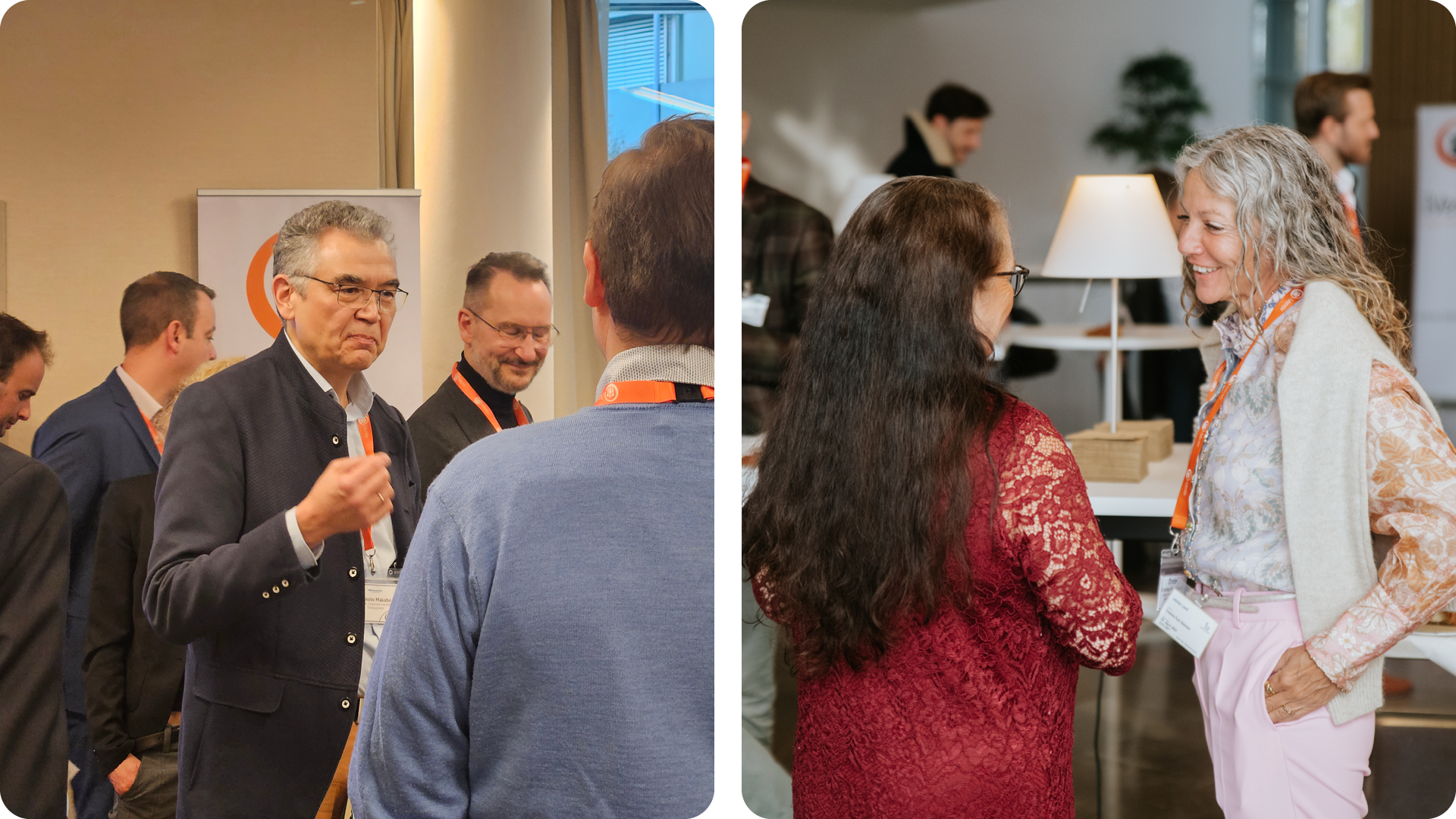
event participants

What is a Customer Education Event?

A customer education event is a forum to bring your clients together in one place—either physically or virtually—to learn, connect, and develop. These events may look different depending on your industry, but the principles remain the same:

Bring customers together

Whether it’s your top-tier clients or a curated group of users, the goal is to connect people who share common challenges or aspirations.

Share insights

Go beyond product features. Offer market intelligence, future trends, and broader thought leadership. Help your customers stay ahead of the curve.

Showcase your thought leadership

Establish your business not just as a service provider, but as a strategic partner.

Cement connection

Customers are more likely to remain loyal to companies they feel connected to. Great events create that emotional and intellectual tie-in.

Customer education events aren't about showcasing how great your business is. Instead, they're about showing how great your customer can be when working with you.

What Makes a Good Customer Education Event?

It’s not enough to simply gather people in a room (or Zoom) and present to them. A great customer education event is intentional, well-designed, and customer-centric.

Here’s five things it is crucial to get right:

1. Have a Clear Objective

Every event must start with the question: what do we want attendees to walk away with and why? 

Whether it’s product adoption, client retention, upselling, or brand positioning, define your goal early and ensure every element supports it.

2. Get the Timing and Format Right

Consider your customers’ calendars. Don’t host during peak business periods or major holidays. The right venue also matters; choose a location that’s accessible, well-equipped, and conducive to meaningful conversation, not just flashy entertainment.

3. Curate the Right Audience

The magic happens when attendees feel they are in the right room. Peer alignment is crucial. Group senior leaders with senior leaders, hands-on users with other users. People are more likely to share honestly and build lasting relationships when they feel they’re among equals.

4. Make it Interactive

According to the 70:20:10 learning model, around 70% of learning comes from on-the-job experiences, 20% from social interactions, and only 10% from formal learning. Don’t spend the whole day talking at your attendees. Instead, facilitate workshops, breakouts, and discussions where they can:

  • Learn from each other, not just you
  • Connect and collaborate on shared challenges
  • Develop and exchange best practices

iVentiv’s values of ‘learn, connect, develop’ are the building blocks to what we know make great events. The real value of these sessions comes from what your customers learn from one another, not just what they learn from your product team.

5. Listen Actively

Great events don’t just deliver, they gather. Ask your customers about their current pain points, what’s changing in their world, and how you can better support them. Build in time for feedback and reflection and don’t shy away from negative comments; they often point to your biggest opportunities.

Common Pitfalls (and How to Avoid Them)

Even with the best intentions, many customer education events fall short. Here’s how to sidestep the most common hazards:

Not Listening

If the event is a one-way lecture, you’re missing a golden opportunity to learn from your customers. Don’t make it all about you. Instead, make it a two-way conversation.

Inviting the Wrong People

Mismatched levels, roles, or industries lead to awkward conversations and disengagement. Be strategic in who you invite and why.

Being Too Salesy

Nothing turns customers away faster than a hard sell disguised as a workshop. Education events should be value-first. If you deliver real insight and support, the business will follow naturally.

Prioritising Gimmicks Over Substance

Yes, good food and memorable moments matter. But if your event leans more on popcorn machines and celebrity guests than on relevance and insight, you’ll lose credibility fast.

Poor Cross-Department Coordination

Don’t let customer education sit in a silo. Align across marketing, sales, product, and events teams to ensure consistent messaging and strategic focus. When these departments work together, everyone wins.

Not Collecting Feedback

Always follow up with structured feedback surveys. Find out what worked, what didn’t, and what could be better. Ask not only about the event experience but also about your product and services.

Trying to Do It All In-House

If your team doesn’t have the capability to run a seamless, strategic event, outsource to iVentiv. Bringing in experienced partners like iVentiv will elevate the experience from good to exceptional, and infuse conversations with, real, impactful nuggets of insight.

Leaving It Too Late

Rushed planning leads to poor outcomes. A successful event takes 3–6 months to design, build, and execute. Last-minute decisions will cost you, both in impact and reputation.
 

A Real-World Example: Microsoft

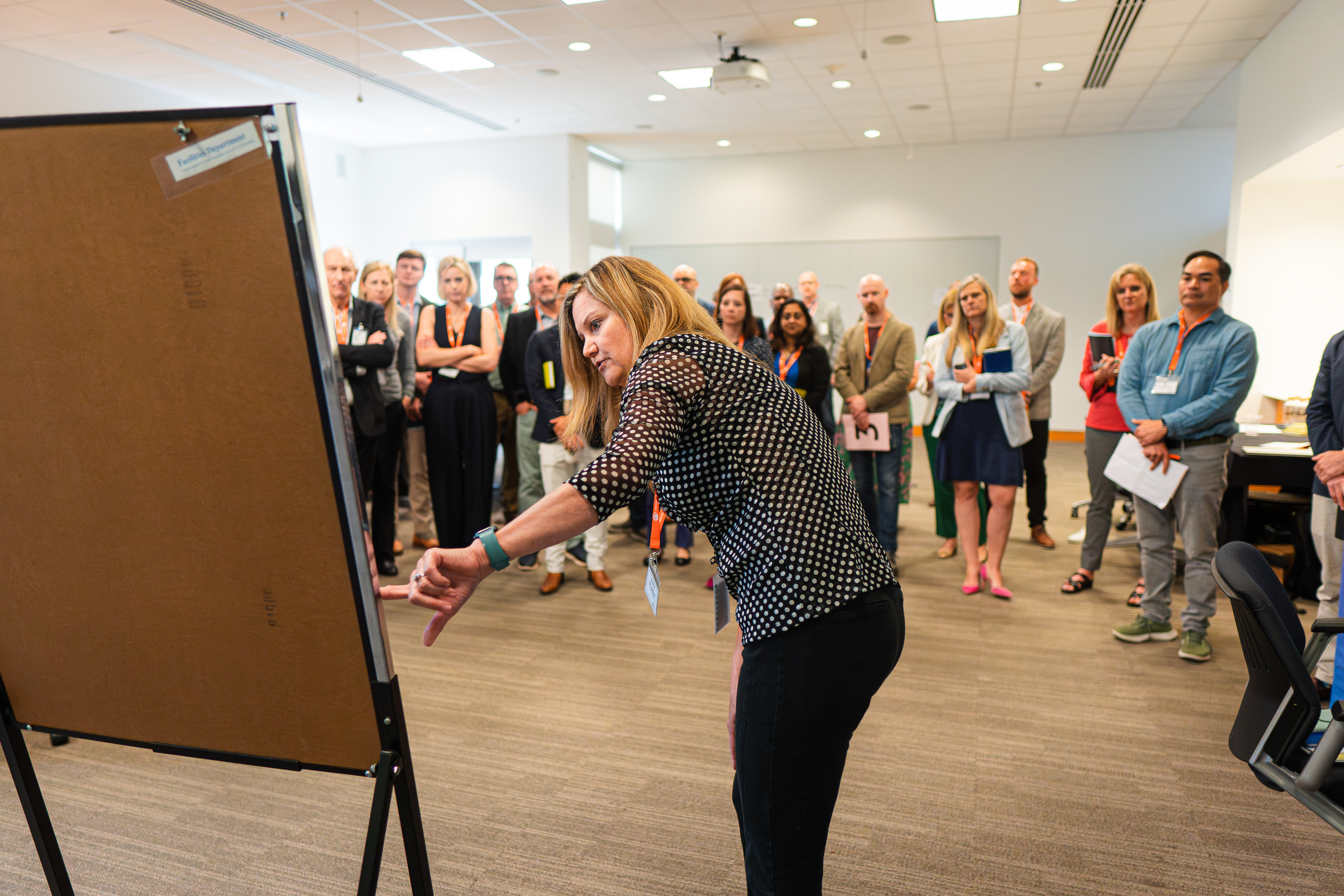
At iVentiv’s recent bespoke event, Microsoft brought together senior leaders from global enterprise clients to explore the evolving role of AI in the modern workplace. Rather than leading with product demos, the session kicked off with a panel discussion featuring customer voices, followed by roundtable workshops facilitated by industry peers.

The result? A powerful two-day event that not only showcased Microsoft’s thought leadership but also surfaced critical feedback on product roadmaps, new feature ideas, and real-world implementation needs. Participants walked away with new connections, actionable insights, and a deeper understanding of Microsoft’s commitment to their success.

Ready to Run a Great Customer Education Event?

A well-run customer education event isn’t just another line in the marketing budget—it’s a strategic lever to drive retention, loyalty, and brand advocacy. When you make your customers feel heard, understood, and supported, they become not just users, but champions.

At iVentiv, we work with organisations around the world to design and deliver peer-led, insight-driven customer events that genuinely engage the C-Suite. If you're planning your next customer education initiative, let’s talk about how we can support you.

To enquire about iVentiv bespoke events, visit our enquiry page.
 

Related Resources

iVentiv and Microsoft - A Bespoke Event Experience
Thumbnail: 
News category: 
iVentiv News

More Insights

In today’s rapidly evolving business landscape, the ability to learn continuously is no longer a competitive advantage, it is a necessity. Yet many organisations still rely on traditional training models that struggle to keep pace with change.

So, what does it really take to build a learning culture that lasts?

In this interview, Laura Medina Escolano, Head of Global Learning & Development at DEKRA, explores the shift from training programmes to habit-driven learning. She shares why curiosity must become a daily behaviour, how leaders shape learning through small actions and why creating a safe environment for experimentation is critical to success. Watch the interview now.

Across organisations, leadership development has long been treated as an individual pursuit. High-potential programmes, competency frameworks, and executive coaching are all designed to elevate the individual leader. Yet as organisations face increasing complexity and pressure to perform, Charles Jennings and Tue Krabbe-Juelsbo ask a fundamental question: what if the true unit of value is not the individual at all, but the team? 

Watch our interview with Charles Jennings, Co-Founder, 70:20:10 Institute, and Tue Krabbe-Juelsbo, Senior Lead, Head of Leadership & People Development, Nuuday, to get their take on the power of atomic teams in your organisation, based on their upcoming research.

Is scaling leadership in a hypergrowth business just about doing more, faster? Or does it require a fundamental rethink of how leaders operate, how Talent functions deliver value, and how organisations balance structure with agility.

In this conversation with Richard Parfitt, Marketing Director, iVentiv, and Yulia Denisova, VP Talent & Development at Fanatics, we explore what it really takes to build leadership capability at pace in a business that has grown to 20,000 employees across 200 countries. From redefining prioritisation and decision-making, to introducing structure without bureaucracy, Yulia shares how Fanatics is evolving its talent strategy in real time.

The discussion also dives into the role of AI in leadership, the importance of maintaining human connection at scale, and why Learning and Development must shift from control to enablement. Watch the interview now.

As an L&D leader, you are certainly not alone in wondering if your budget matches up to the expectations placed on you and your team. It’s no surprise that 60% of CLOs say measuring ROI is one of their top priorities.

But what makes a good L&D budget in 2026? How much should your organisation be spending? What figures should you be benchmarking against?

Download the iVentiv Budget Report today for a detailed breakdown of how much senior Learning and Talent Executives have at their disposal in 2026, including average budget per employee. The report also lays out what L&D’s biggest spenders and biggest employers are prioritising.

As a CLO or Global Head of Learning and Talent, there is no shortage of Learning conferences, events, or webinars that you can attend. There’s a keynote speaker, exhibition stands, and a room full of excited Learning professionals ready and raring to go.

Those events can be a good opportunity to hear case studies and take a whistle-stop tour of what’s happening in the industry. But they aren’t always the best way to take away real, actionable ideas. If you’re in a senior role at a big organisation, especially, you can spend a lot of time speaking to early career attendees from smaller learning teams who aren’t dealing with the same challenges.

But big conferences and ‘sit and listen’ events aren’t the only option for Heads of L&D and Chief Learning Officers. In this blog, we look at how CLOs can take the pulse of the industry, connect with other senior executives, and find solutions to their challenges at collaborative, iVentiv events in locations around the world.

In a world where AI, shifting business priorities, and accelerating change are redefining how organisations develop talent, Learning leaders face a critical question: how do you build a culture where learning truly drives performance? 

In this conversation, William Varsos, Head of Global Learning at Marsh, shares practical insights on embedding learning into the flow of work, aligning development with business strategy, and avoiding the distractions of the latest trends. 

From designing impactful leadership learning to rethinking the role of AI in learning functions, his perspective offers a grounded look at what it really takes to create a sustainable learning culture today. Watch the interview now.

In today’s fast-changing business environment, the biggest Leadership challenge may not be skills, it may be mindset. In this conversation with iVentiv’s Hannah Hoey, Nikhil Shahane, VP Global Head of People Development at TechnipFMC, explores why adaptability, curiosity, and the ability to let go of legacy ways of working are becoming critical Leadership capabilities.

From navigating a “BANI” world to embedding learning in the flow of work, Nikhil shares practical insights on how organisations can shift from skills-focused development to cultivating the mindsets that enable leaders and teams to thrive through constant change. Watch our interview with Nikhil now.
 

In an industry where thousands of frontline employees may be trained in a matter of hours rather than months, hospitality leaders are being forced to rethink how learning, leadership, and communication really work. Many take the view that traditional onboarding, static compliance courses, and one-size-fits-all leadership models simply can’t keep pace with the speed, scale, and expectations of modern hospitality.

In this conversation, David Goddard, VP Talent at Levy Restaurants, shares how one of the world’s leading sports and entertainment hospitality brands is developing leaders that deliver even in the most high-pressure environments. Read the blog now and watch the interview with David to learn more.

As AI rapidly reshapes how work gets done, Leadership Development is facing a defining moment. If knowledge, once the cornerstone of leadership capability, is becoming increasingly commoditised, that could mean that judgement, the ability to make sound decisions, align people, and lead through uncertainty, will matter far more. 

In this interview, Abilitie’s Bjorn Billhardt, Founder and CEO, and Alex Whiteleather, Managing Director for Europe, at Abilitie explore how AI-enabled leadership simulations are transforming development by immersing leaders in realistic, high-stakes decision environments that build critical thinking, business acumen, and cross-functional collaboration.

For Chief Learning and Talent Officers navigating organisational change, flatter structures, and accelerating decision cycles, this perspective could offer a practical framework for rethinking Leadership Development in the age of AI, and a compelling case for why judgement, not knowledge, could provide the true competitive advantage. Watch the interview now and read about how Abilitie is shaking the world of Leadership Development with their brand new Case Challenges experiences.

Artificial Intelligence (AI) has emerged as a powerful force reshaping industries and revolutionising various aspects of our lives. One of the areas where AI is making a significant impact is Learning and Development (L&D).

As organisations strive to stay competitive in a rapidly changing world, many are turning to AI-powered solutions to enhance their training and education programs. 

In this blog, we will explore the nature of AI in Learning and Development initiatives, the key concepts surrounding it, and the challenges L&D leaders are raising when it comes to implementation. Read it now.


Pages