Submitted by Kerry Summers on
Bringing a global Learning & Development team together should feel like a catalyst for innovation—yet for many organisations, it’s a logistical headache that leads to polite presentations, surface-level updates, and very little lasting change. The result? Brilliant people doing brilliant work in isolation. But when a global L&D event is designed with intention, it can do far more than tick a box—it can unlock alignment, spark collaboration across regions, and create the kind of shared momentum that shapes strategy for the year ahead.
Part One: Align the Group and Bring Everyone Together
The first challenge of global L&D collaboration is simply getting everyone in the same room; real or virtual. Too often, sessions exclude valuable voices because of time zones, cost, or logistical barriers.
To counter that, plan your event around a moment when everyone can genuinely come together. This might mean tying it to an existing global all-hands meeting, a leadership summit, or a regional rotation where your team already gathers.
If in-person isn’t realistic, virtual platforms can work beautifully when they’re designed with inclusion in mind. Rotate timings so different regions share the early-morning or late-evening load. Use live captioning and translation tools to reduce barriers. And remember that alignment starts long before the event itself; by clearly communicating why it matters, who’s involved, and what the group will achieve together.
When every voice is invited, collaboration becomes possible.
Part Two: Plan Early and Be Crystal Clear
The best global events feel effortless, but that ease comes from serious preparation. Start early—at least six months in advance for an in-person gathering—and confirm the non-negotiables first: your dates, your venue or platform, and your facilitators.
Locking in these details early signals credibility and allows your team to plan travel and workload around the event. Clarity builds confidence.
Then, share the purpose of the event in simple, human terms: “A two-day space to connect, learn, and align on our priorities for the year ahead.”
Global teams are often stretched. If you want them to engage, they need to know the time will be worth it.
Part Three: Make the Agenda About Them
It’s easy to assume what your team needs, but assumptions aren’t facts. Instead, co-create the agenda.
Run short surveys or focus groups to ask:
- What challenges are you facing right now?
- What topics do you want to explore with peers?
- Where do you see duplication or disconnect in our work?
Then, design your sessions around those insights. If your team spans learning, talent, and leadership development, dedicate space for each function, but also for the intersections where they overlap.
The goal is to make your team feel seen and heard. When people recognise their own challenges reflected in the agenda, participation becomes personal.
And remember: your internal experts are often your best speakers. Give them a platform. It’s far more powerful to hear from a colleague in São Paulo about their AI-enabled skills strategy than from a generic keynote speaker who’s never set foot in your organisation.
Part Four: Make It Collaborative
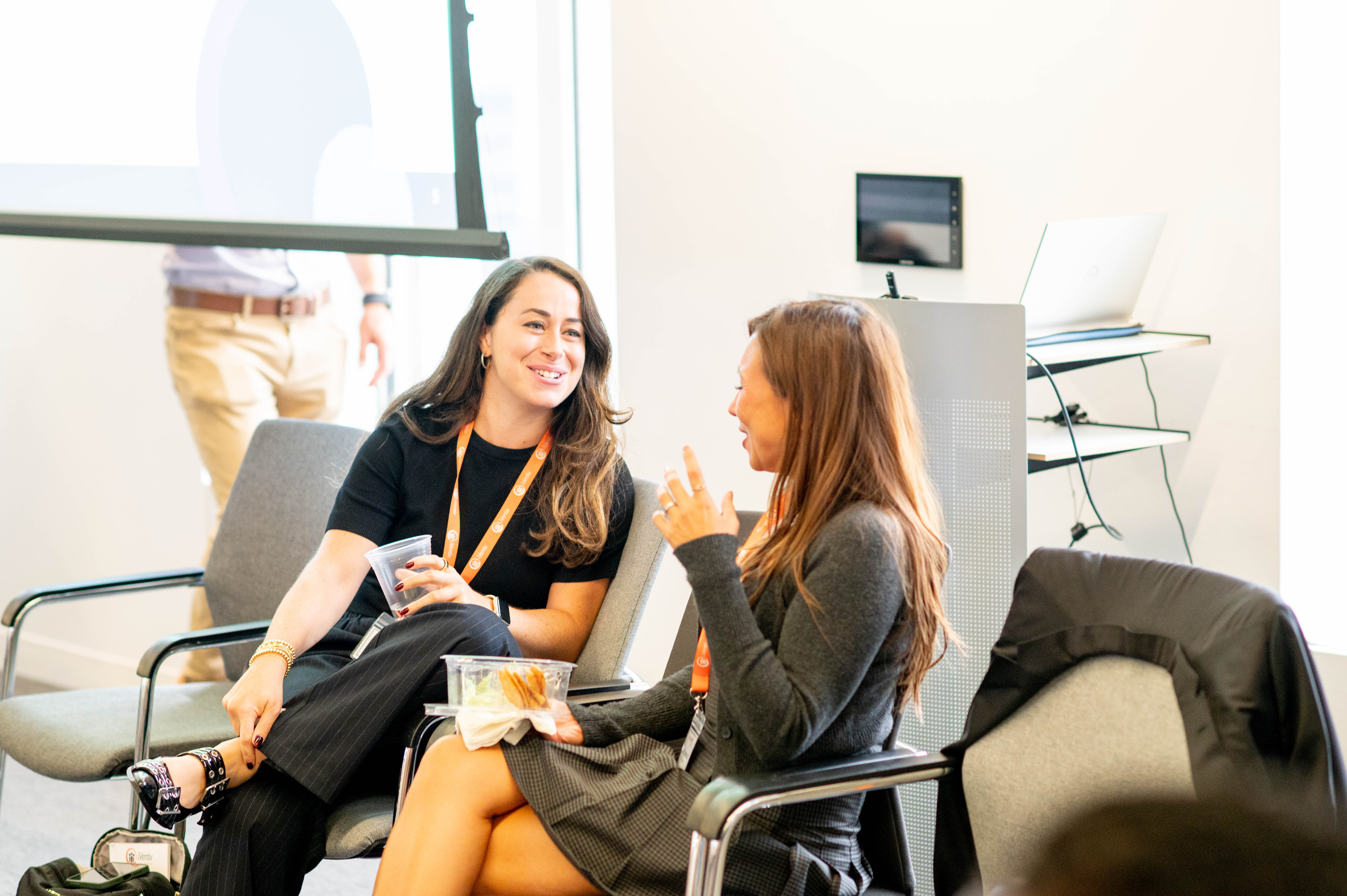
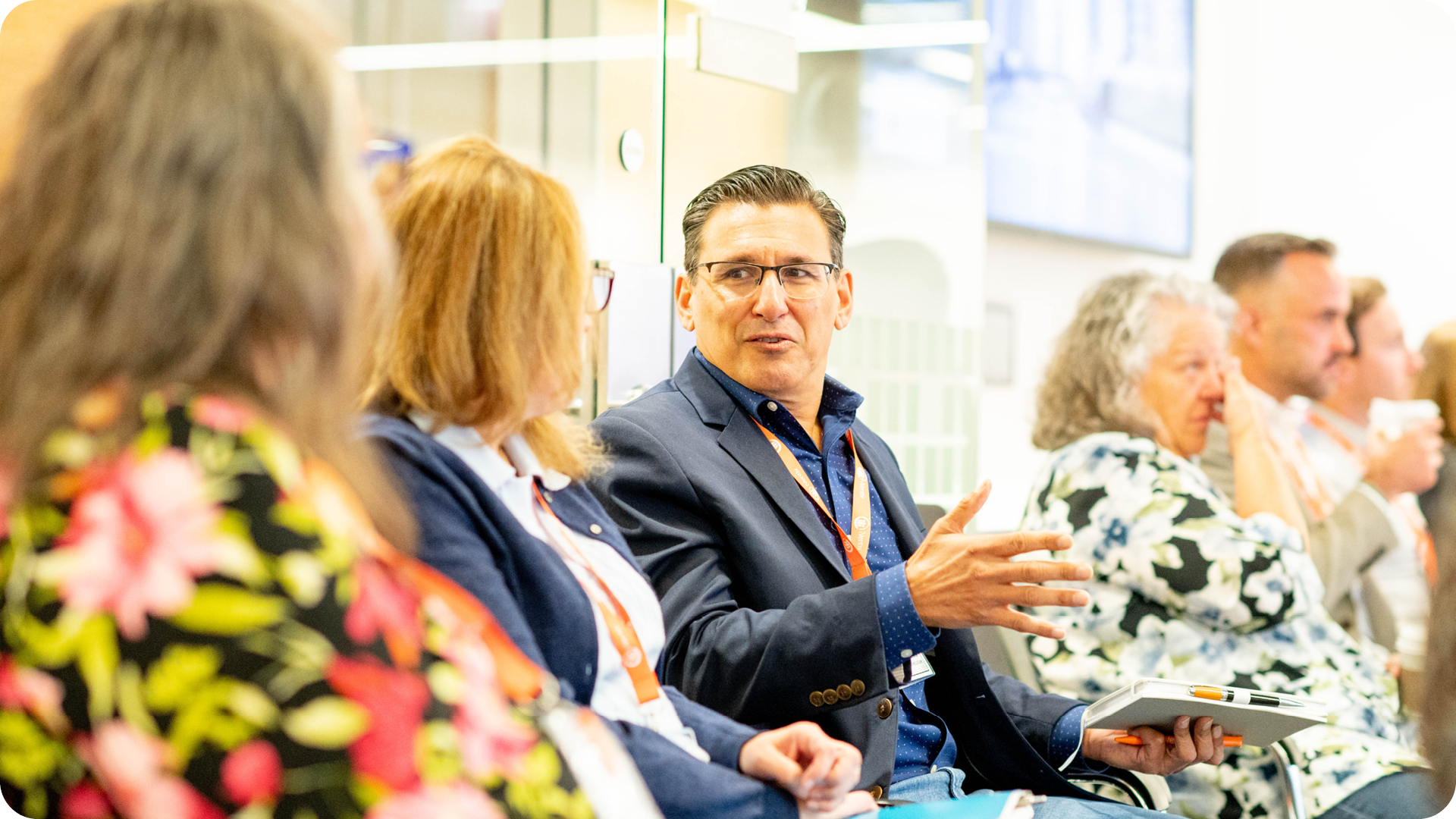
iVentiv CEO Russell Butler created iVentiv because he knew that real learning doesn’t happen when participants are told to ‘sit-and-listen’ for two days. The magic, he understood, happens when people talk to each other.
Design your agenda around dialogue, not presentation. Break big topics into smaller, focused discussions. Mix up formats: use collaborative cafés, peer coaching exercises, and fishbowls. Frame questions around real priorities: “How are we embedding skills frameworks into performance?” or “What’s working (and what isn’t) in leadership pipeline development?”
Encourage participants to bring live case studies from their regions. Let them teach each other. When learning professionals apply their own methods internally, the event itself becomes an act of organisational learning.
Finally, invest in skilled facilitation. The right facilitator doesn’t just manage time; they draw out quieter voices, keep conversations focused, and connect insights across sessions. The result is energy, ownership, and tangible outcomes.
Part Five: Follow Up and Measure What Matters
Too many events end when the feedback forms go out. But “happy sheets” don’t measure impact.
Follow-up should be about outcomes, not opinions. Ask:
- What actions did people take after the event?
- What new collaborations emerged?
- How did knowledge shared translate into improved results?
Use intelligent feedback loops that connect learning metrics with business ones. For example, if your event focused on AI readiness, track whether new projects, pilots, or tools have been launched as a result.
Then, make post-event learning part of the rhythm of work. Create digital spaces where participants can share updates, exchange resources, or revisit key discussions. A single event can ignite change, but ongoing collaboration keeps it alive.
When You Don’t Have the Capacity
Let’s be honest: doing all of this alone is a huge lift. Global coordination, hybrid delivery, agenda design, speaker sourcing, facilitation—it’s a full-time job, and iVentiv have teams dedicated to doing exactly that.
If you don’t have the internal bandwidth, partner with experts who do this every day. iVentiv, for example, specialises in bringing global L&D teams together through its Executive Knowledge Exchanges—peer-to-peer learning sessions built around the same principles outlined here.
When Microsoft’s Global Learning team invited iVentiv to run their internal bespoke event, they used it as a live case study for collaborative learning in action. Senior leaders from across regions came together, not to sit through presentations, but to share challenges, co-create solutions, and build alignment on the future of work. The result wasn’t just a productive two days; it was a shift in how the team connected and learned long-term.
Outsourcing the logistics allows you to focus on what matters most: the content, the people, and the impact.
The Takeaway
Global L&D teams are facing the same challenges they’re trying to solve for the business; dispersed workforces, competing priorities, and limited connection. iVentiv events offer a rare and valuable moment to step back, share learning, and rebuild alignment across borders.
But to make that moment count, it has to be done right:
- Align everyone early
- Plan with purpose
- Let the agenda reflect their reality
- Foster collaboration, not consumption
- Measure real outcomes
When you design your event as a shared learning experience rather than a calendar entry, it can transform how your global team works together.
At iVentiv, we’ve spent more than 16 helping global L&D leaders do exactly that; bringing peers together in over 300 events across 40 countries, with a overall 93% satisfaction score.
If you’re planning to bring your team together next year and want it to drive genuine collaboration and impact, get in touch. We’d love to help you make it happen. Make an enquiry.
Related Resources
- Designing Events for Knowledge Sharing: Practical Techniques
- Solving the Knowledge Silo in Global Learning Teams
- What Makes an Effective Learning and Development Team Event?
- 10 Questions to Ask Before Planning an Internal Event
- Why Customer Education Matters
- Planning Corporate Events For Small Groups: A Complete Guide
- Why Internal Events Often Fail, and How to Fix Them
- How to Engage L&D Teams Through Events
- The Difference Between Team Building and Team Learning
iVentiv and Microsoft - A Bespoke Event Experience